

To provide customers with high efficiency, energy saving, environmental protection of new building high turnover materials.

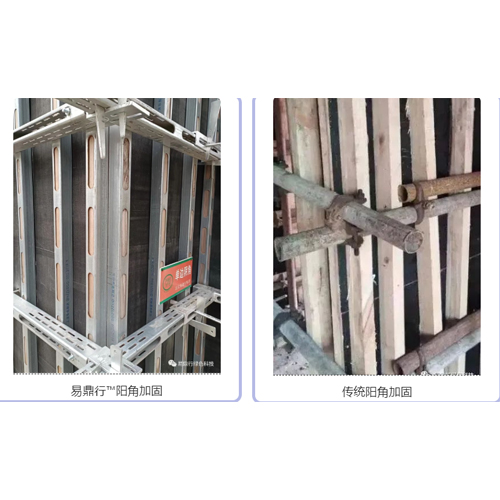
Advanced international production technology and high quality
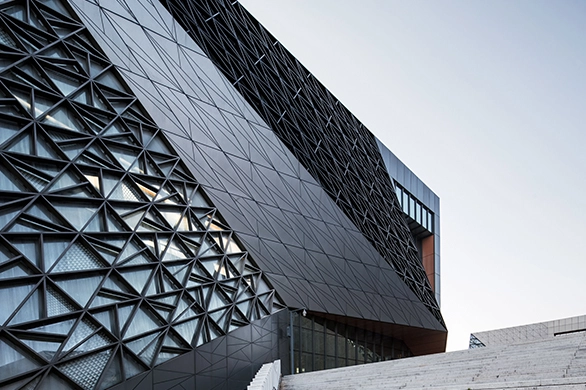
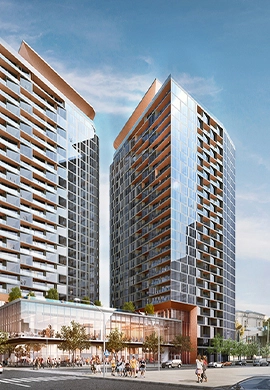
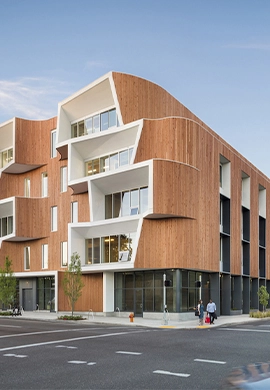
-

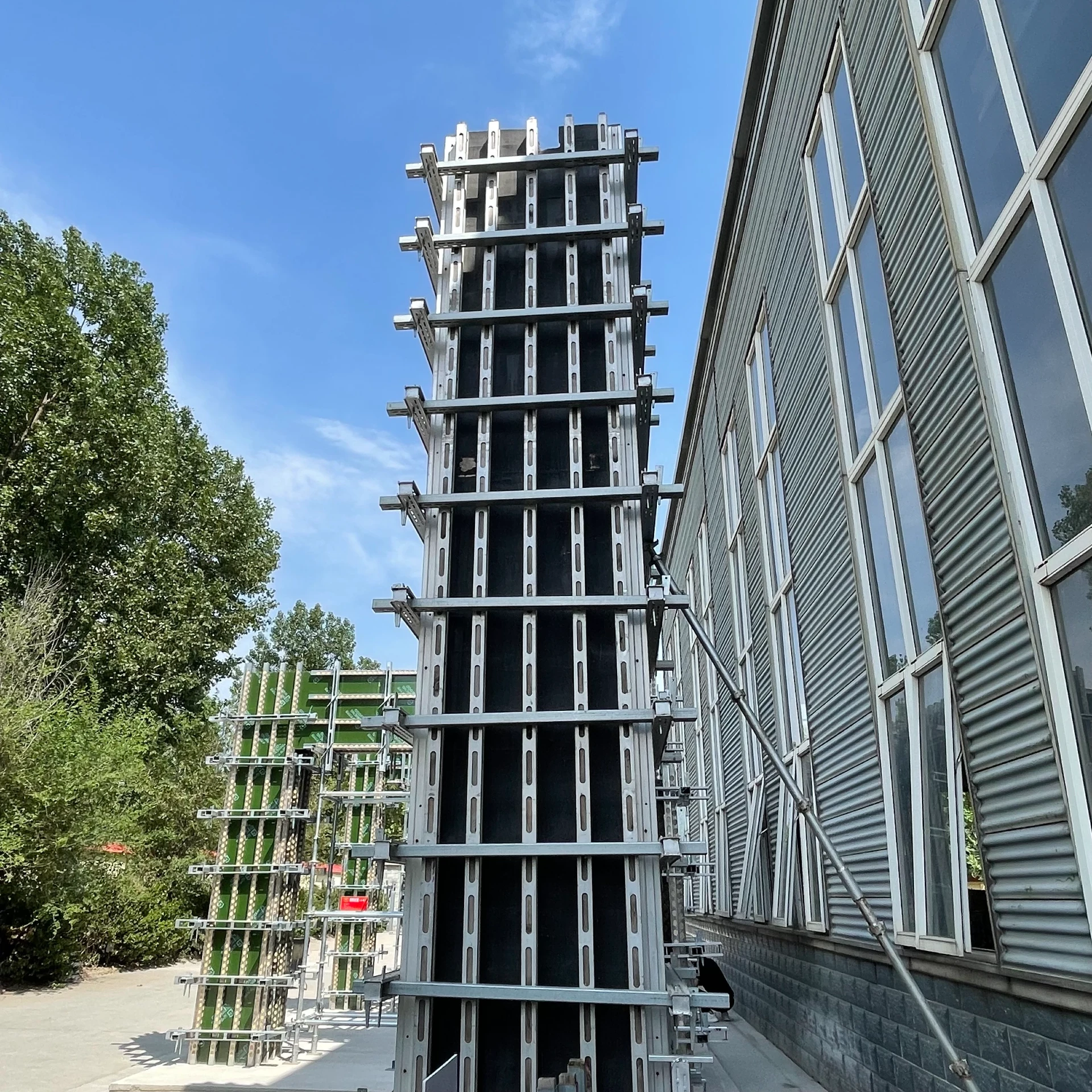
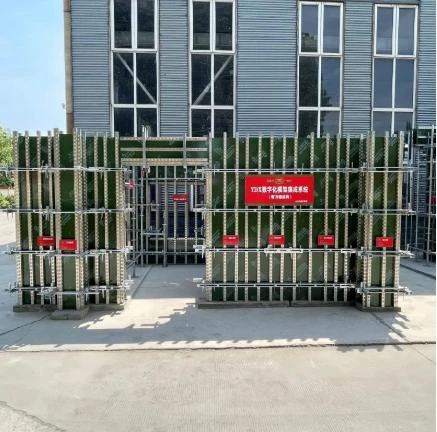
Yidingxing Technology Co.,LTD is a leading manufacturer of formwork reinforced system.
-

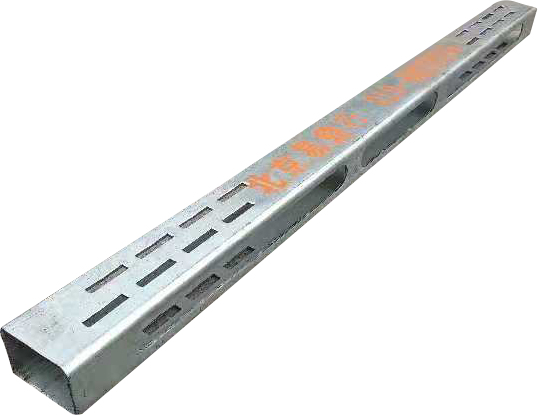
The products independently developed by Yidingxing company - YDX new steel timber
-

Our dedication to exceed the expectations of our customers fuels us to innovate our processes and products to produce excellent products.
- Affordable Scaffolding Solutions for Every Construction Project
- Top Scaffolding Solutions for Every Construction Project
- Innovative Solutions for Securely Connecting Aluma Beams with Reliable Clamp Designs
- Premium Scaffolding for Sale – Safe, Durable & Affordable Solutions
- modular slab formwork
- galvanized mending plate
- Understanding Concrete Slab Reinforcement for Stronger Foundations
steel timber frame
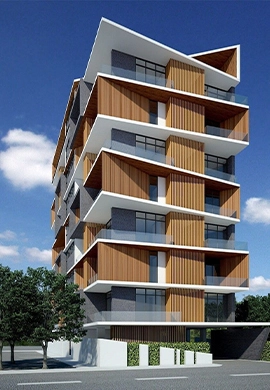
Timber and Steel Structures A Harmonious Blend of Nature and Innovation In the realm of construction and architecture, the emergence of timber and steel structures stands out as a compelling narrative of balance between nature and innovation. Traditionally, timber, a natural material, has been cherished for its aesthetic appeal and sustainability, while steel, a product of industrial advancement, is revered for its strength and versatility. Together, these materials offer a unique synergy that enhances the functionality, sustainability, and design of modern buildings. The Benefits of Timber Timber has been used as a primary building material for thousands of years, and for good reason. It is renewable, biodegradable, and can significantly reduce the carbon footprint of a structure. Timber absorbs carbon dioxide from the atmosphere, making it a valuable ally in the fight against climate change. Moreover, modern engineered wood products, such as Cross-Laminated Timber (CLT) and Glued Laminated Timber (Glulam), have revolutionized the application of wood in construction. These materials provide the strength needed for larger structures while maintaining the warmth and beauty of natural timber. Furthermore, timber's lightweight nature allows for easier handling and quicker installation, which can reduce overall construction time and labor costs. The aesthetic qualities of timber also contribute to healthier living spaces; studies show that environments incorporating natural elements can improve occupant well-being. The Advantages of Steel On the other hand, steel is synonymous with durability and strength. Its high tensile strength allows architects and engineers to create striking, open spaces without the need for excessive supporting columns. This capability not only promotes innovative design but also results in more usable space, which is particularly valuable in urban settings where real estate is at a premium. Steel structures can endure the test of time, resisting pests, fire, and severe weather conditions—qualities integral to safety and longevity in construction. Moreover, steel is fully recyclable, making it a sustainable choice when sourced responsibly. The ability to recycle steel without loss of quality means that it can be reused perpetually, reducing the demand for virgin materials. This aligns with sustainable building practices and lowers the environmental impact of construction processes. timber and steel structure The Synergy of Timber and Steel The combination of timber and steel creates a hybrid structure that maximizes the benefits of both materials. Architects are increasingly exploring this synergy to achieve both strength and aesthetic appeal in their designs. The partnership of timber and steel can lead to lighter, more cost-effective structures. For instance, steel frames provide a robust skeletal system that supports timber infills, allowing for larger span lengths and reducing the number of necessary load-bearing walls. This hybrid approach is particularly well-suited for high-rise buildings, where wooden elements can be used in combination with steel frameworks to create innovative designs that are both functional and visually captivating. Projects like the “HoHo” tower in Vienna—one of the tallest timber buildings in the world—illustrate the potential of this combination, showcasing how timber can meet modern demands for resilience and efficiency. Challenges and Future Directions Despite the many advantages, the integration of timber and steel is not without challenges. Architects and engineers must navigate issues related to material compatibility, fire safety regulations, and moisture control. Advances in technology and materials science are helping to address these challenges, leading to new treatment methods for wood that enhance its fire resistance and longevity. Looking ahead, the future of timber and steel structures is promising. As sustainability becomes an ever-increasing focus within the construction industry, the demand for hybrid solutions is likely to rise. The quest for innovative designs that respect the environment will continue to push the boundaries of what is possible with these materials. Conclusion In conclusion, the interplay between timber and steel in architecture represents a harmonious blend of nature’s beauty and human ingenuity. By embracing the strengths of both materials, architects and builders can create structures that are not only stunning to behold but also environmentally responsible. As the field of construction evolves, the partnership of timber and steel will undoubtedly play a pivotal role in shaping the skylines of our cities while contributing positively to our planet’s future. The journey into this exciting domain of modern architecture has only just begun, and the best is yet to come.